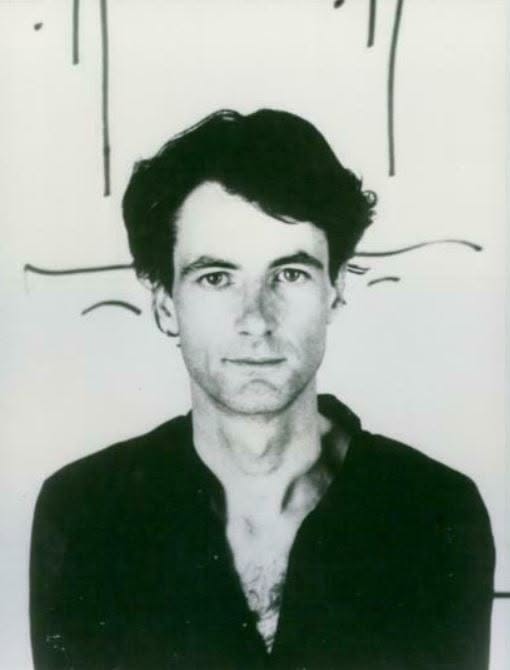

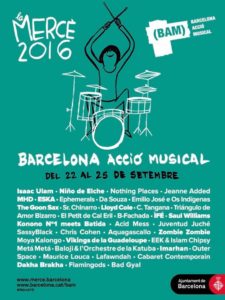
El mes de setembre vinent farà 10 anys de la visita de Lloyd Cole a l’antiga fàbrica Damm, dins de la programació del Bam a les festes de la Mercè.
Malgrat que sigui un tòpic parlar de la memòria, crec que recordo bastant bé l’esdeveniment, encara que segur que se m’escapen detalls.
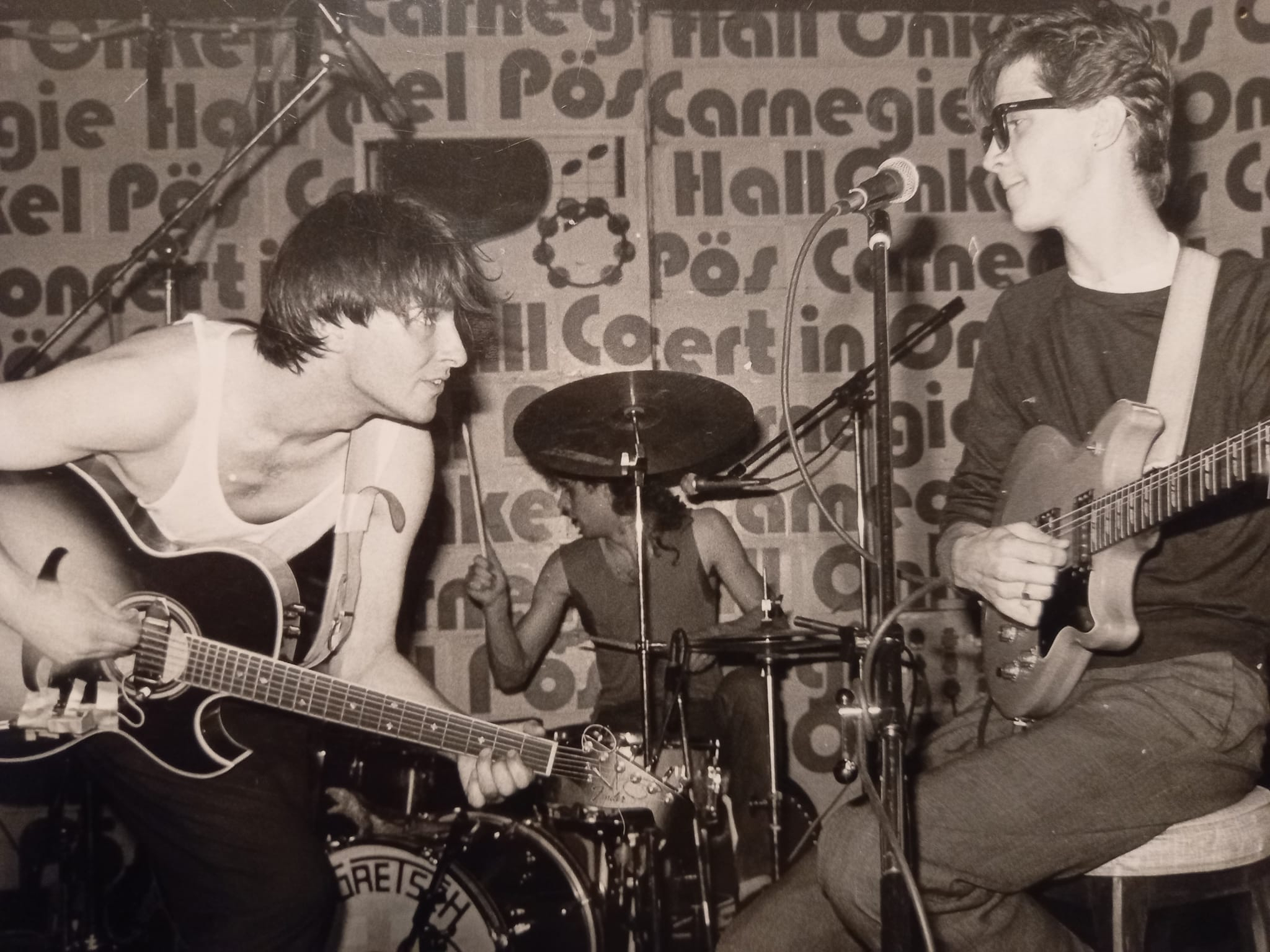
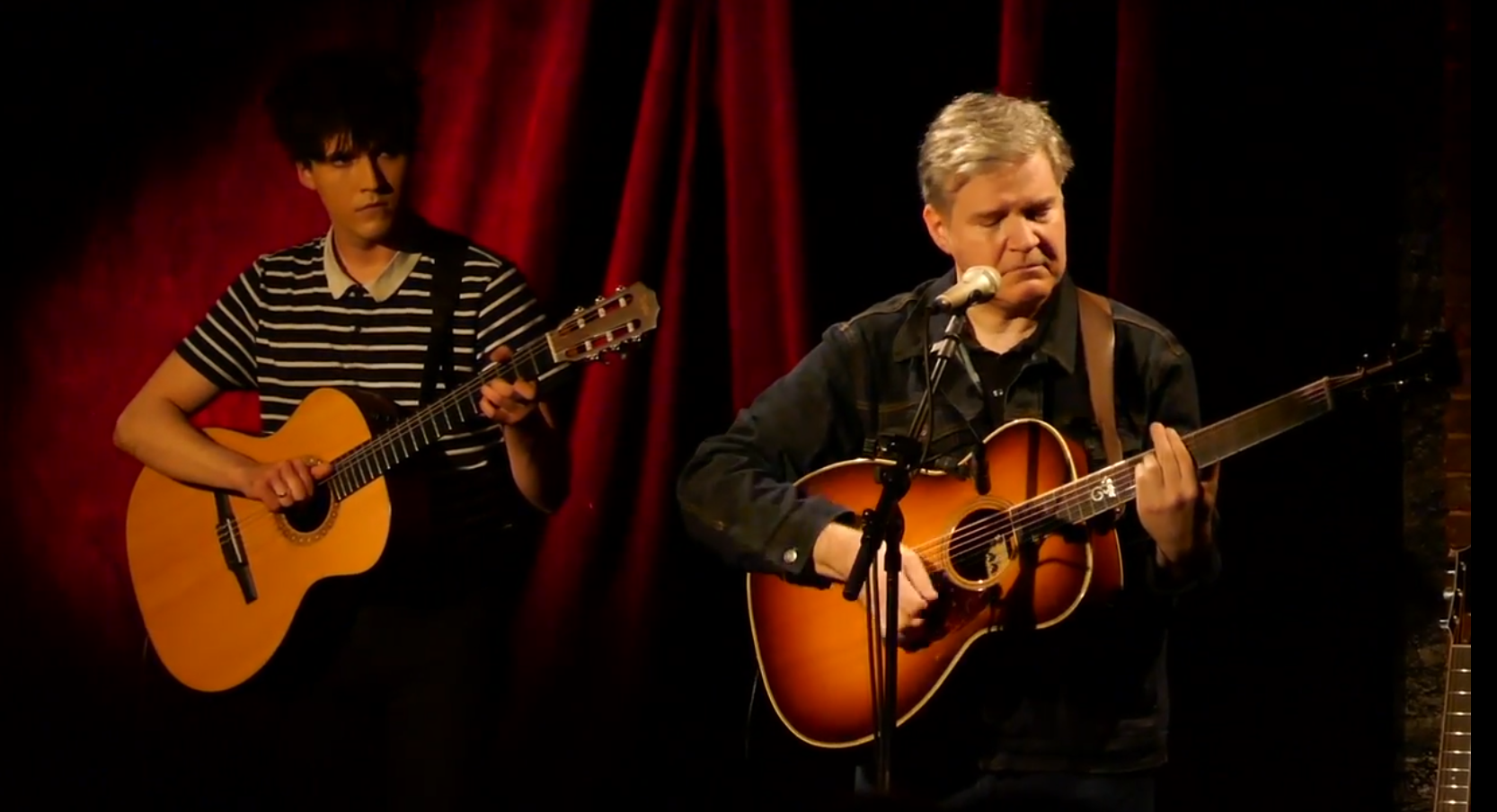
Lloyd iniciava a Barcelona una gira per algunes ciutats d’Espanya, en format acústic acompanyat del seu fill William com a segona guitarra.
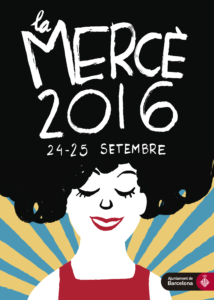
La mala sort (en general) dels barcelonins, és que aquest concert fos en format reduït (uns 40 minuts) perquè formava part d’una jornada amb més actuacions, tan dispars com Sr, Chinarro, C.Tangana o Triangulo de amor bizarro entre d’altres.
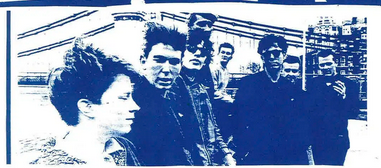
A la resta d’Espanya va ser concert complet, una part ell sol i una acompanyada del seu fill.Per mi, era la primera oportunitat de veure’l en directe, ja que no vaig poder anar al concert de l’any 88, quan va venir acompanyat del seu grup, els Commotions. Ja després no me’n recordo si va tornar en solitari.
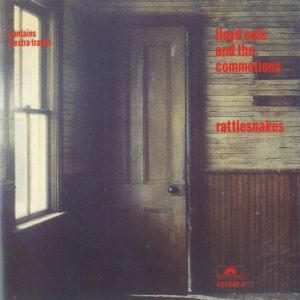
Dins el meu cor de rock’n’roll, i tenint en compte que els meus gustos musicals sempre han estat bastant eclèctics, guardo una carpeteta dels 80 on amago gent com Roddy Frame, Edwyn Collins o el mateix Lloyd Cole. De fet, l’àlbum de debut, el Rattlesnakes, el tinc considerat com un dels millors de la dècada.
 Al començament, i veient la situació, jo no era gaire optimista. Moltíssima gent de tota mena: els pocs que estem allà perquè ens agrada Lloyd, i la resta que han vingut perquè són les festes de la Mercè, hi toca anar i retrobar-se amb els amics i explicar que has fet aquestes vacances, i portar els teus fills petits perquè sentin que bonic que és la música en directe. (spoiler: la majoria no els agradarà la mateixa música que a tu). Bé, és el que tenen els concerts gratuïts.
A més, el concert era en un lloc on si entra molta gent es forma un tap on és gairebé impossible entrar ni sortir. Els que coneixeu el lloc, sabeu del que parlo.
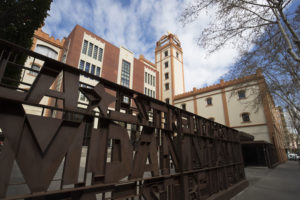
És per això que al LLoyd Cole no se li va veure molt còmode, sobretot al principi, molt pendent del seu fill (era el primer concert de la gira) i una mica molest amb aquest rum-rum inicial, tot i que de mica en mica, la gent que estava a dins del recinte va prendre consciència de l’important que era gaudir en silenci.
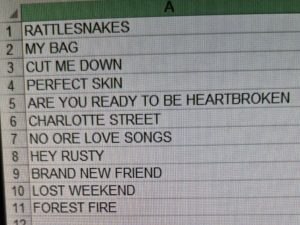
I de la resta que puc dir jo que no siguin meravelles. Per començar, el repertori era pràcticament dels 3 discos del període 84-87 amb els Commotions, o sigui el meu preferit. Va començar amb la cançó que dona títol al primer disc, Rattlesnakes i va continuar amb My bag del tercer disc, el Mainstream (el més conegut potser) i Cut me down, del segon, Easy pieces. Després 3 seguides del primer: Perfect skin, Are you ready to be heartbroken (escoltant els discos de l’Arthur Lee!) i la primera cançó que jo vaig escoltar del grup, Charlotte street, i que va ser la que em va enganxar i ja no vaig poder desempallegar-me.
L’única incursió fora d’aquesta època va arribar amb No more love songs, de la seva curta etapa amb la formació dels Negatives quan ja vivia als Estats Units, cap al 2001
Van seguir, Hey Rusty, Brand new friend i Lost weekend, per finalitzar amb un altre de les meves debilitats, Forest fire, també del primer disc.
Cançons d’amor, desamor, amistat, joventut, drogues, frustracions.. Lletres molt comunes a l’Anglaterra i Escòcia dels 80
No van ser totes les que jo hagués volgut, però ja anava preparat, i sí, va ser curt però molt emocionant. Vaig sortir del recinte com vaig poder (pitjor que un embús a l’autopista) amb la sensació que no m’hagués perdonat el no i ser-hi, i que probablement, no hi hauria altra oportunitat.
Lloyd Cole avui dia continua en actiu, però sincerament, no he seguit la seva carrera.
PS. Jordi Ribes.
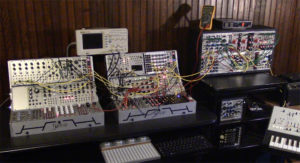
L´ 2016,Lloyd Cole, va actualizar el seu estudi,i al dia d´avui té un equip de Synths i Ableton software,tot al que necesita per componer nous discos de música electrónica.
Discografia en música electronica
Lloyd Cole- Plastic Wood (2001)
Lloyd Cole – 1D Electronics 2012-2014
Lloyd Cole & Hans-Joackim Roedelius- Selected Studies Vol.1(2013)

Lloyd Cole -En directe a l´Antiga Fábrica Damm, (24-09-2016)